
Summer Survival in the White Tank Mountains: Resilience Matters!
As temperatures rise across the West Valley, survival in the desert becomes more than a seasonal challenge. It becomes a lesson in resilience.
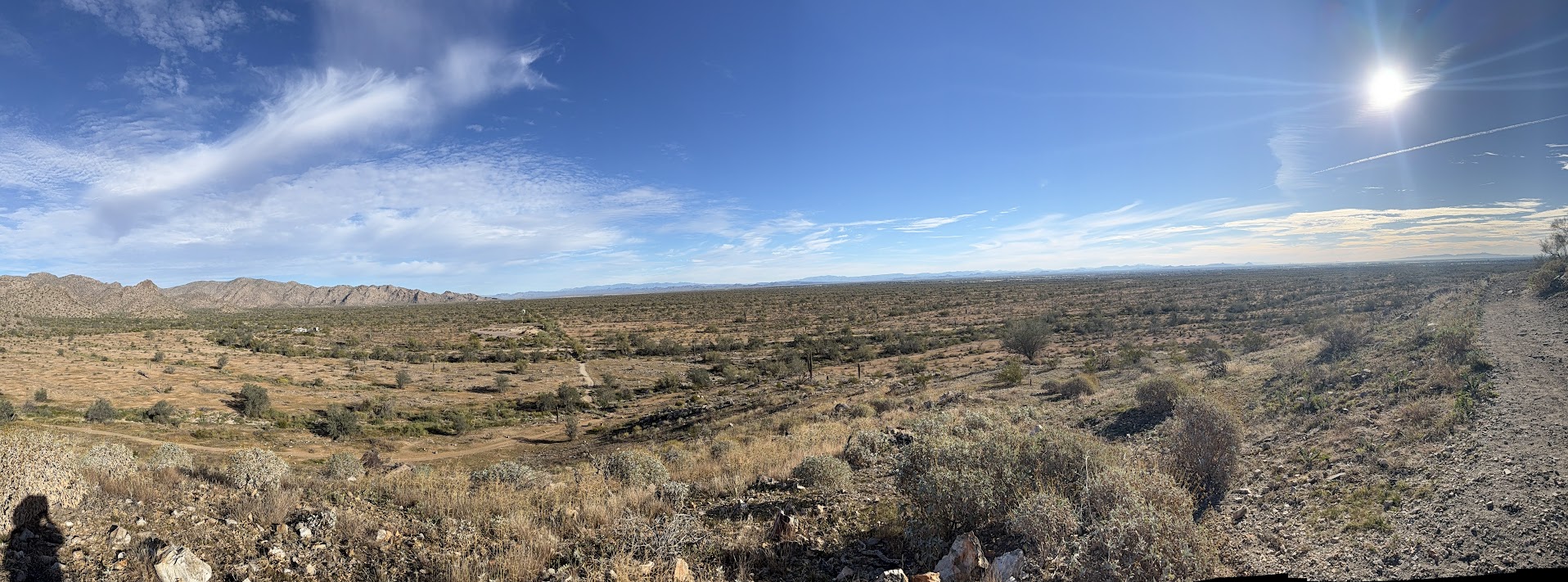
The summer landscape of the White Tank Mountains may appear harsh at first glance. Dry washes, rocky terrain, soaring temperatures, and months without meaningful rain can make the desert seem unforgiving. Yet beneath the surface exists one of the most adaptive and interconnected ecosystems in the Southwest. Desert wildlife, native plants, and even people who call this region home have learned that survival depends on balance, movement, conservation, and respect for the environment.
At the White Tank Mountains Conservancy, summer is not viewed as a pause in conservation work. It is a season that reminds us why resilience matters.
The Desert Was Built for Survival
Desert species have evolved remarkable strategies to endure extreme heat and scarce water.
Bighorn sheep travel long distances between water sources. Coyotes adjust their activity to cooler nighttime hours. Native reptiles seek shade beneath rocks and within desert vegetation. Even towering saguaros are designed to store and conserve water efficiently through prolonged drought.
Wildlife movement is essential to this survival.
As temperatures intensify and development expands across the West Valley, protected wildlife corridors become increasingly important. Animals must be able to move safely between mountain ranges, water access points, feeding grounds, and breeding habitats. Fragmented landscapes place additional stress on species already adapting to heat and drought conditions.
Protecting these pathways is not simply about wildlife conservation. It is about maintaining the health and resilience of the entire desert ecosystem.
Resilience Connects Wildlife and People
The Sonoran Desert has always demanded adaptability. Its lessons apply not only to wildlife but to the communities growing around it.
The White Tank Mountains stand as a reminder that survival here has always depended on connection: between habitats, between people and nature, and between present decisions and future generations.
This summer, as temperatures climb, we encourage the community to slow down, stay safe, conserve water, and continue learning about the remarkable resilience of the desert we all call home.
